For much of the world, the new year begins on the first of January, marked by fireworks, countdowns and the familiar greeting 'Happy New Year!'. Yet this shared moment is far from universal, because not every culture measures time in the same way.
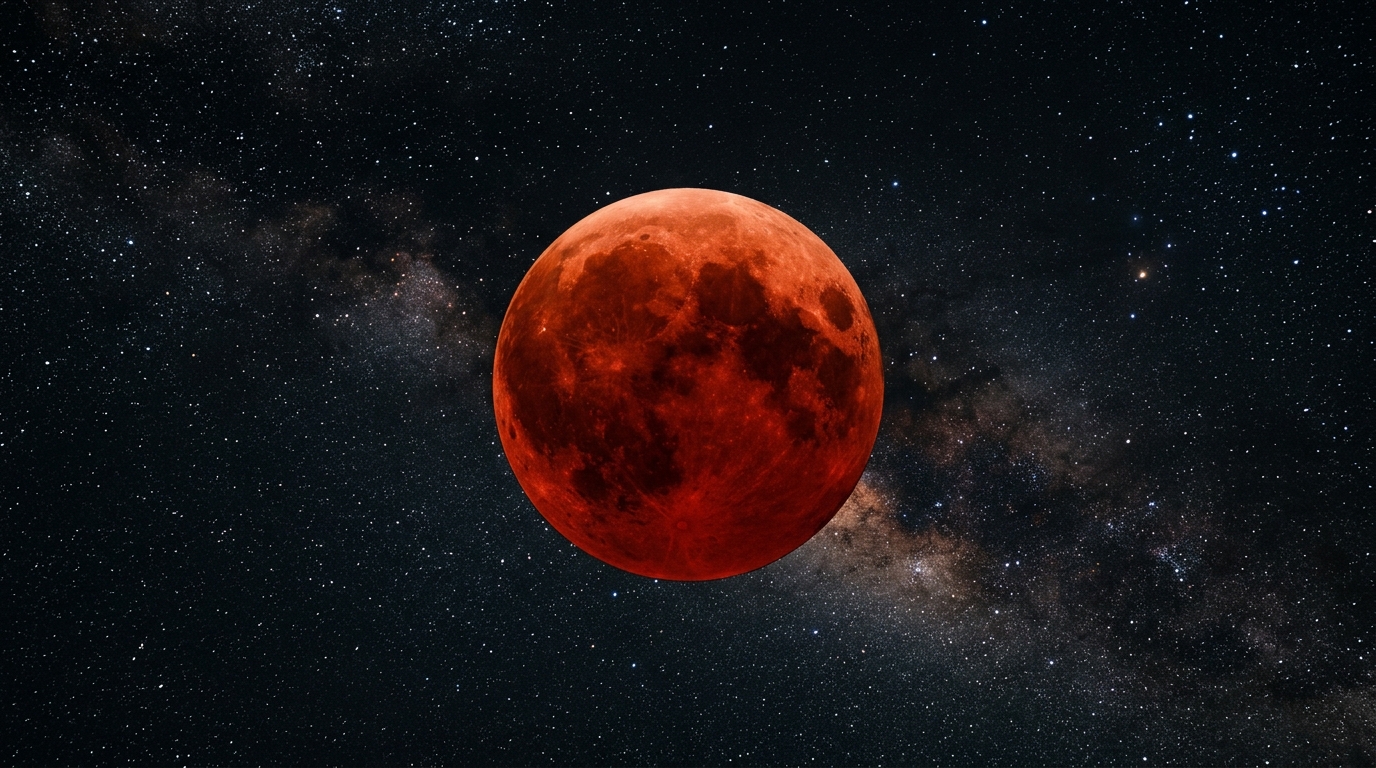
The main reason is the calendar. The widely used Gregorian calendar starts the year in January, but other calendars follow the moon or the seasons. Chinese New Year, for example, falls in late January or February and shifts each year, since it is based on the lunar cycle. Several cultures welcome the new year in spring, a natural choice when the weather warms and crops begin to grow.
The customs vary just as much as the dates. In some places, families prepare special dishes believed to bring good fortune; in others, people clean their homes thoroughly to sweep away the old year, wear new clothes, or exchange small gifts. Fireworks, music and family gatherings are common threads. Behind the differences lies a shared human impulse: the wish to leave the past behind and step hopefully into whatever comes next.