Animals have to find and eat food to survive, but plants work in a completely different way. A plant does not eat at all; instead, it produces its own food inside its leaves through a process called photosynthesis.
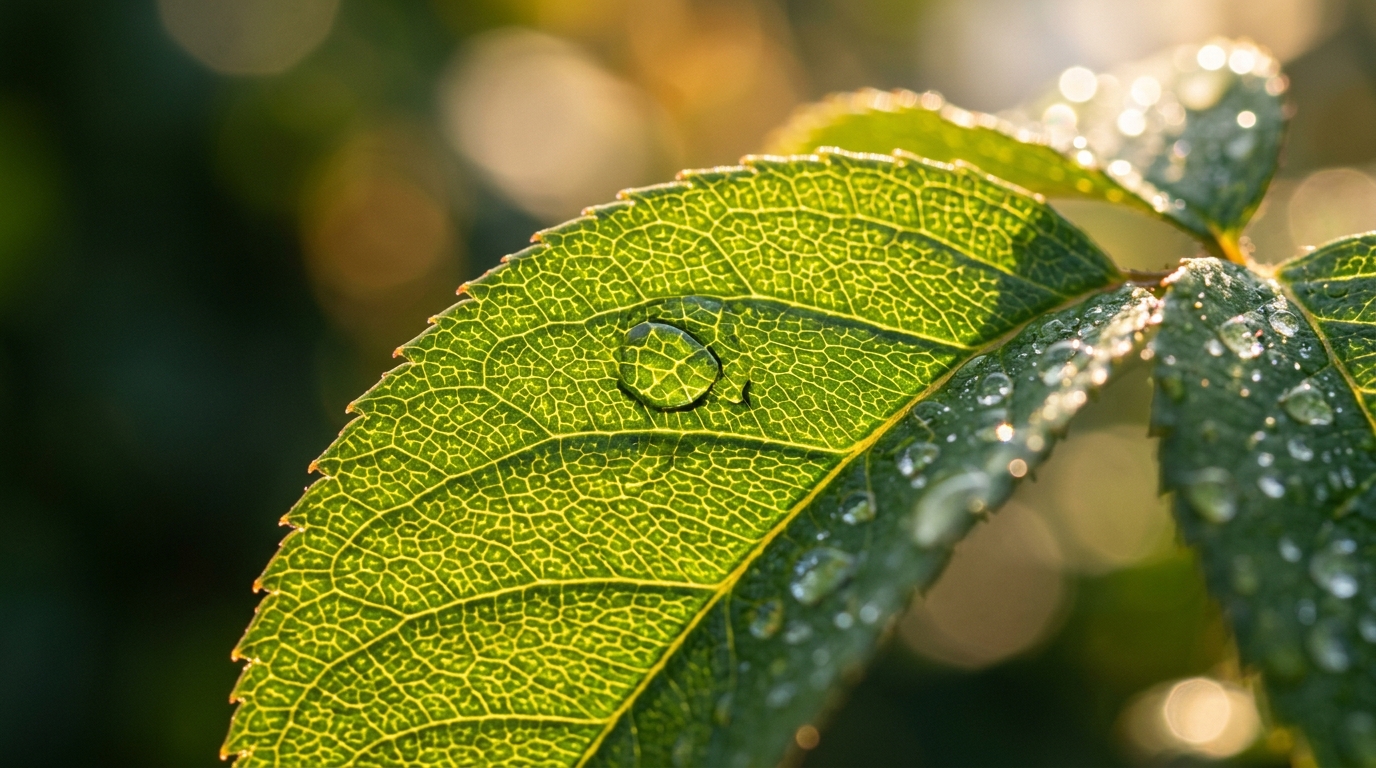
To do this, a plant needs three ingredients. The first is sunlight. The second is water, which the roots draw up from the soil. The third is a gas called carbon dioxide, which the leaves take in from the air. Leaves are green because they contain a substance called chlorophyll, and it is chlorophyll that captures the energy in sunlight.
Inside the leaf, that captured energy is used to combine water and carbon dioxide into a simple sugar. This sugar is the plant's food: it provides the energy the plant needs to grow, make flowers and produce seeds. Photosynthesis also creates a by-product — oxygen — which the plant releases into the air. Since animals and humans depend on that oxygen to breathe, plants are quietly feeding themselves and supporting almost all other life at the same time.